


 Request an Appointment
Glaucoma Diagnosis & Management
Protect Your Sight With
Early Detection and Ongoing Care
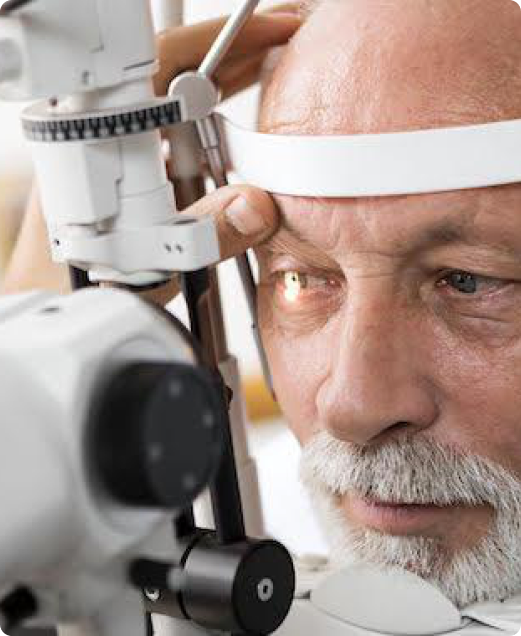
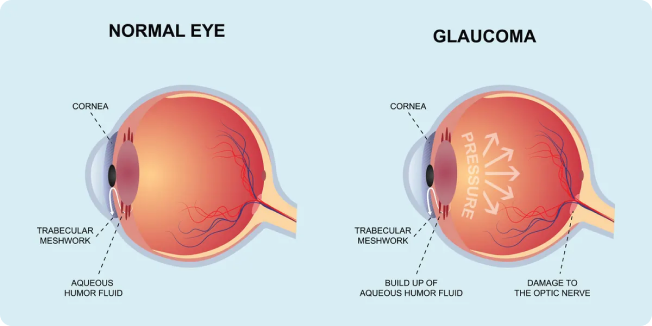
Glaucoma damages the optic nerve, usually because pressure inside the eye is too high. Dr. Rene has over 25 years specializing in ocular disease and glaucoma. Changes can happen before symptoms become obvious, so routine screening matters.
 Pressure testing without the air puff
- Direct imaging of the optic nerve
- Changes tracked year over year
- Screening included in a routine exam
Treatment
Protect Your Sight With Early
Detection and Ongoing Care
Vision lost to glaucoma is permanent. Treatment can slow or stop further loss, but it cannot recover what is already gone. Routine screening helps you find changes before you notice them.
Because we image rather than just look, we can compare year on year and catch change before you’d notice it yourself.
- Pressure testing without the air puff
- Direct imaging of the optic nerve
- Changes tracked year over year
How We Check
Detecting Issues
Screening is quick and comfortable, and it’s part of a comprehensive exam:
What OCT Detects
Glaucoma, macular degeneration, diabetic eye disease, and other conditions that affect the layers of the retina.
Why It Matters
Early detection means earlier treatment and better outcomes for your long-term vision.
Complete Diagnostics
Additional Diagnostic
Equipment
Beyond our Optos and OCT systems, our clinic is equipped with a full suite of diagnostic tools to evaluate every aspect of your vision and eye health.
Digital Retinal Photography
High resolution digital imaging of the central retina.
Automated Visual Fields
Precise mapping of peripheral vision and neurological pathways.
Corneal Topography
3D map of the surface curvature of your cornea.
Frequently Asked Questions
What is glaucoma and how does it affect vision?
Glaucoma is a group of eye diseases that can damage the optic nerve, often without early symptoms. Untreated damage can cause permanent vision loss, so regular exams are important.
Is glaucoma screening painful?
Most glaucoma screening tests are quick and comfortable. They may include measuring eye pressure, examining the optic nerve, and checking peripheral vision.
How often should I be screened for glaucoma?
Screening frequency depends on your age, eye health, and risk factors such as family history. Your eye doctor can recommend an interval tailored to you.
Request an Appointment
Share your preferred date and time, along with your contact information.
Online requests are not available yet. Information entered here is not sent or saved. Please call to schedule your appointment.
Send RequestReady when you are
Request an Appointment
To arrange an appointment, call us at (701) 492-3937. Our team will help find a time that works for you.
Office Hours:
 Office Hours:
- Monday - Thursday9:00 AM - 5:00 PM
- Dr. Tufte8:00 AM - 5:00 PM
- Dr. Rene9:00 AM - 5:00 PM
- Friday9:00 AM - 2:00 PM
- Saturday & SundayClosed