


 Request an Appointment
Dry Eye Treatment
Fargo Dry
Eye Center
Complete dry eye disease management. In many dry eye cases, the problem is not a shortage of tears but a shortage of oil in your tear film. Small glands in your eyelids produce the oily layer that stops tears evaporating. When those glands block up, tears evaporate within seconds of blinking.
 We diagnose which tear layer is failing
- Treatment targets the cause, not just symptoms
- In-office Envision by InMode treatment
- Dedicated specialty dry eye clinic

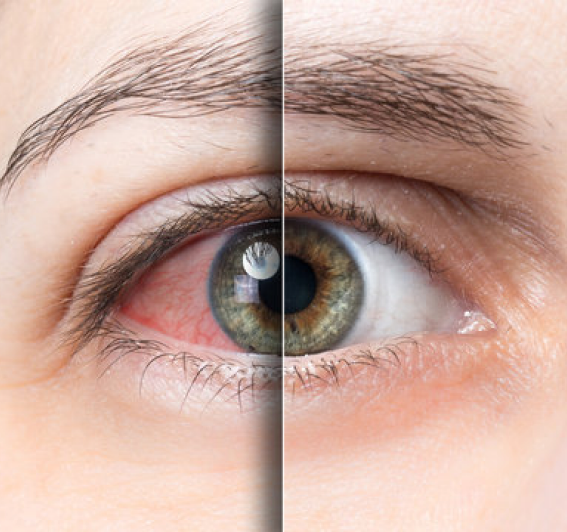
Dry Eye Symptoms
What dry eye
actually feels like
Dry eye doesn’t always feel like “dry.” Many patients come in with symptoms they never connected to their tear film.
When these glands become clogged or dysfunctional, the watery part of your tears evaporates far too quickly. This leaves the surface of the eye exposed, leading to inflammation, irritation, and the symptoms of dry eye disease.
- Excessive tearing: the reflex response to inadequate tear quality
- Burning or grittiness
- Dandruff or flaking around the eyelids
- Sore, red, inflamed eyes & lids
- Eyelids that are difficult to open in the morning
- Reduced contact lens wear time
- Light sensitivity
- Inconsistent vision throughout the day

The Science
Why it happens
Your tears are made of three distinct layers: water, mucin/protein and a crucial outer layer of oil, produced by the lid meibomian glands.
How Your Tear Film Works
That is why drops help for a few minutes and then stop working: they replace the water, not the oil. We diagnose which part of your tear film is failing, then treat that specific cause.
Dry Eye Risk Factors
- Ageing
- Meibomian gland dysfunction
- Medications
- Increased screen time
- Underlying medical conditions
- Environment, wind, dry air, allergens & pollution
- 1
Drops and lid care
Good-quality artificial tears and daily hygiene to manage mild symptoms.
- 2
Prescription & Non RX therapies
Medicated eye drops designed to reduce inflammation and naturally increase tear production. Oral supplements, hot packs, & lid scrubs.
- 3
In-office Envision by InMode
IPL and radiofrequency treatment that targets inflammation and blocked oil glands. IPL is effective for inflammatory and evaporative dry eye.
- 4
Gland expression
Once the oil has been warmed and softened, we express the glands manually to clear the blockage and let the oil flow again.
- 5
RX Punctal plugs
A punctal plug is a small injectable hydro gel product placed in the tear drain at the inner corner of the eye to increase tear volume.
Dry Eye Treatment
How we treat dry
eye symptoms
We find out which part of the tear film is failing before treating it. Options run from lid hygiene and prescription drops through to in-office treatment with Envision by InMode, and punctal plugs to keep the tears you produce on the eye for longer.

Envision by InMode
Envision by InMode is an in-office, three-stage treatment for dry eye disease caused by inflammation and blocked oil glands. Heavenly brings over 20 years of experience in surgical and medical eye care to the team that supports these treatments.
What to know
- Three coordinated treatment stages
- Forma-i heat followed by gland expression
- Lumecca-i Intense Pulsed Light (IPL)
- For inflammatory and gland-related dry eye
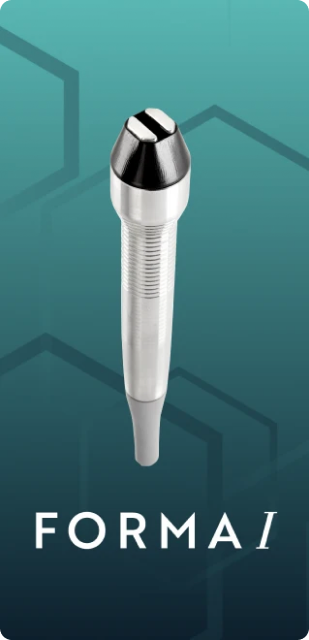
Stage 1:
Radiofrequency
heat with Forma-i
Forma-i applies gentle radiofrequency heat to the upper and lower lids. That warmth softens the hardened oil blocking the meibomian glands so it can be removed during the next stage.
Forma-i heats the lid area to 43°C: warm enough to soften hardened oil in the glands, and gentle enough that most patients find it comfortable. It is FDA-cleared, takes under 30 minutes, needs no drops or downtime, and is safe on all skin tones.
The controlled heat also stimulates collagen and can tighten the skin around the lids while the glands are being prepared for expression.
Stage 2: Gland
expression
Heating softens the thickened oil, but it does not reliably remove the blockage by itself. The softened oil must be physically expressed from the meibomian glands so they can begin releasing healthier oil into the tear film.
A trained technician uses a gland-expression tool along the lid margin to apply controlled pressure and clear the softened material. This step helps restore the oily layer that slows tear evaporation.
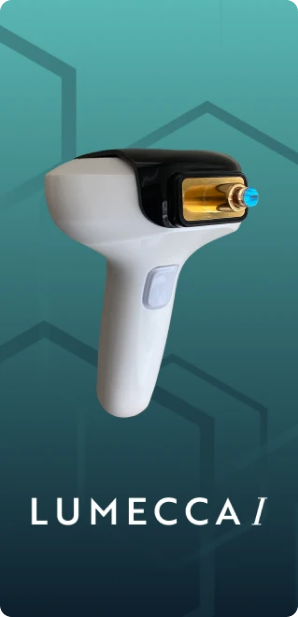
Stage 3: Intense
Pulsed Light (IPL)
with Lumecca-i
Lumecca-i uses Intense Pulsed Light (IPL) around the eye area to target inflamed blood vessels along the lid margin that can contribute to clogged glands. This helps calm inflammation involved in inflammatory and gland-related dry eye. It does not treat every cause or form of dry eye.
Lumecca-i also reduces bacterial growth along the lid margin. By addressing these inflammatory triggers after the glands have been cleared, this stage helps reduce recurrence of gland-related blockages; it cannot guarantee that every recurrence will be prevented. The same technology is approved for treatment on the face, neck, and backs of the hands. Response and timing vary from person to person.
The treatment experience
Envision sessions are performed in-office. Here’s what to expect:
- 1
Quick, in-office procedure
Treatments typically take less than 30 minutes from start to finish.
- 2
No drops or downtime
You won't need numbing drops, medications, or any recovery time after a session.
- 3
Designed for all skin tones
The FDA-cleared technology can be used across all skin tones after a dry eye evaluation.
- 4
Results reviewed with you
Your response is reviewed over the course of treatment so the plan can be adjusted when needed.
Home Care
What you can do at home
These steps can help, and they work better alongside professional treatment, not instead of it.
- Use a warm compress
- Clean your eyelids twice a day
- Add more omega-3 to your diet
- Choose preservative-free drops rather than “get the red out” drops
- Take breaks from screens
- Blink more often when reading or using a screen
- Drink more water
- Wear sunglasses outdoors
- Use an eye ointment at night
- Run a humidifier in dry rooms
- Consider vitamin A, B12, and D
Frequently Asked Questions
What are common symptoms of dry eye?
Dry eye may cause burning, grittiness, redness, fluctuating vision, light sensitivity, or watery eyes. Similar symptoms can have other causes, so an eye care professional can help assess them.
What happens during a dry eye evaluation?
Your clinician may discuss your symptoms and health history and examine your tear film, eyelids, and eye surface. Testing is selected based on your needs; appointment length varies, and the clinic can confirm when you schedule.
Should I wear my contact lenses to my appointment?
Bring your lenses and their packaging or prescription details. Whether you should wear them beforehand depends on the evaluation, so ask the clinic when booking.
Can over-the-counter drops help dry eye?
Artificial tears may ease some mild symptoms, but the right option depends on the cause and frequency of symptoms. Avoid “get the red out” drops unless a clinician recommends them, and seek advice if symptoms persist.
Does insurance cover dry eye testing or treatment?
Coverage varies by plan, test, and treatment. Contact your insurer and the clinic; the clinic can confirm which services may be billed and any expected costs.
When should I follow up about dry eye treatment?
Follow-up timing depends on your symptoms and treatment plan; your clinician will recommend when to return. Sudden vision changes or significant eye pain need prompt medical evaluation.
Request an Appointment
Share your preferred date and time, along with your contact information.
Online requests are not available yet. Information entered here is not sent or saved. Please call to schedule your appointment.
Send RequestReady when you are
Request an Appointment
To arrange an appointment, call us at (701) 492-3937. Our team will help find a time that works for you.
Office Hours:
 Office Hours:
- Monday - Thursday9:00 AM - 5:00 PM
- Dr. Tufte8:00 AM - 5:00 PM
- Dr. Rene9:00 AM - 5:00 PM
- Friday9:00 AM - 2:00 PM
- Saturday & SundayClosed