


 Request an Appointment
Eye Disease Management
Proactive Care to Protect Your Long-Term Vision
Treating all eye diseases and vision disorders. Many systemic conditions show up in the eye first. Diabetes, high blood pressure and autoimmune disease all affect the small blood vessels of the retina, often before you have any symptoms. Dr. Tufte has spent his career in medical eye care working alongside ophthalmology, and has been trusted by over 855,000 eyes individually.
 Monitoring for diabetic retinopathy
- Retinal imaging to identify change early
- Results compared year over year
- Co-managed with local eye surgeons
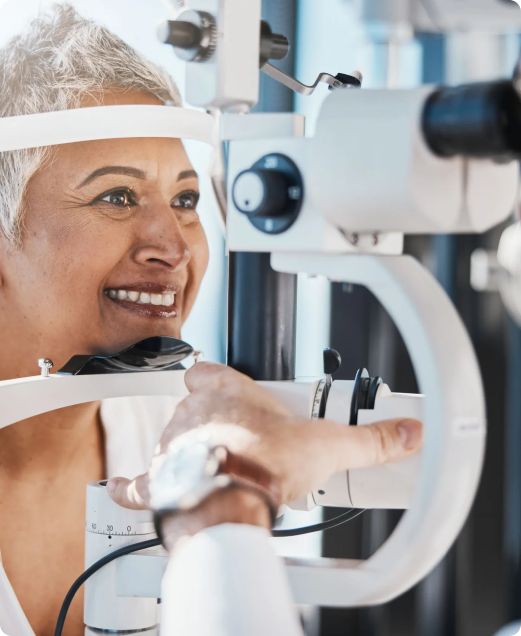
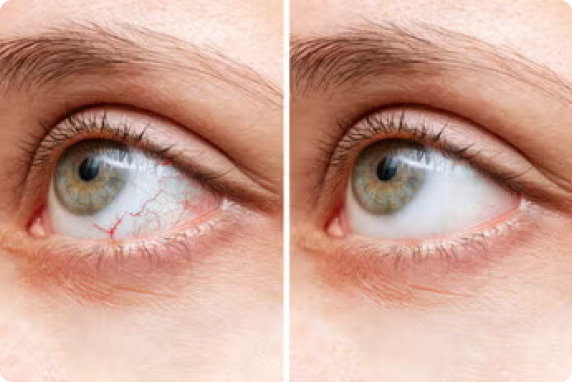
Eye Diseases Diagnosis
Eye diseases we
diagnose and manage
We look for early signs, establish a clear baseline, and help you understand when follow-up or co-management is needed.
- Glaucoma
- Ocular Allergy
- Macular Degeneration
- Eye Infections & Injuries
- Dry Eye Disease
- Cataracts
Systemic Conditions
Systemic conditions
we monitor for
Your eyes can reveal changes that matter to your overall health, even when your vision still feels normal.
Diabetic Retinopathy
The retina is the only place in the body where blood vessels can be examined directly. Damage from diabetes appears here first, often before any symptoms.
Hypertensive Retinopathy
High blood pressure changes the retinal vessels, and what we find can inform your wider medical care.
Thyroid and Autoimmune Eye Disease
Conditions that can affect the eye surface, muscles and optic nerve.
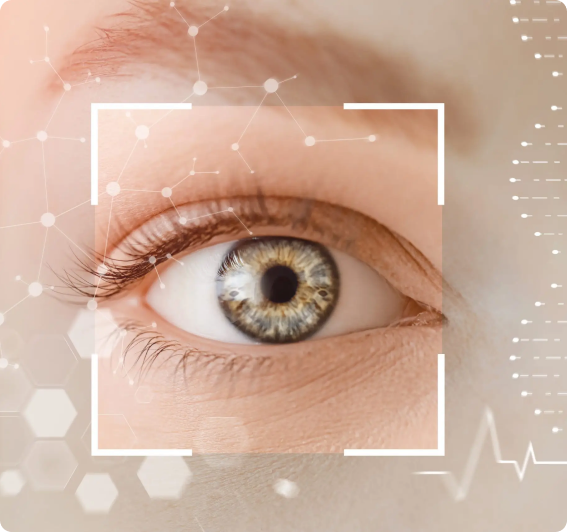
Complete Diagnostics
Additional Diagnostic
Equipment
Beyond our Optos and OCT systems, our clinic is equipped with a full suite of diagnostic tools to evaluate every aspect of your vision and eye health.
Digital Retinal Photography
High resolution digital imaging of the central retina.
Automated Visual Fields
Precise mapping of peripheral vision and neurological pathways.
Corneal Topography
3D map of the surface curvature of your cornea.
Proactive Care to Protect
Your Long-Term Vision
Optomap photographs more than 80% of your retina in under half a second, without dilating drops. It includes the far periphery where retinal tears and early disease tend to begin.
OCT imaging takes a cross-section of the retina and optic nerve layer by layer, measuring thickness to a precision no examination by eye can match. This is how glaucoma and macular degeneration are caught early and tracked.
Visual field testing maps your peripheral vision to detect loss you would not notice yourself.
Because we image rather than only look, we can compare your results year over year and look for changes over time.
A collaborative
approach
When we detect a medical condition, we monitor it closely with diagnostic imaging, tracking structural change year over year.
For complex cases, we co-manage directly with local eye surgeons and your primary care physician, so you get the right care at the right time without being handed off and left to coordinate it yourself. Where surgery is needed, we handle the preparation and the follow-up care here.
Frequently Asked Questions
Which eye diseases can you monitor?
We evaluate and monitor conditions such as glaucoma, diabetic retinopathy, macular degeneration, cataracts, and other changes affecting eye health. The tests recommended depend on your history and examination.
Why is regular monitoring important?
Some eye diseases can progress before you notice vision changes. Regular exams and imaging can help identify changes early, though no test can prevent every loss of vision.
What happens if an exam finds a concern?
Your eye care clinician will explain the findings and discuss appropriate follow-up, treatment, or referral. When needed, care may be coordinated with your primary care clinician or an eye surgeon.
Can conditions like diabetes or high blood pressure affect my eyes?
Yes. These and some other health conditions can affect the retina and other parts of the eye. Tell your clinician about your medical history and keep up with recommended eye exams.
Request an Appointment
Share your preferred date and time, along with your contact information.
Online requests are not available yet. Information entered here is not sent or saved. Please call to schedule your appointment.
Send RequestReady when you are
Request an Appointment
To arrange an appointment, call us at (701) 492-3937. Our team will help find a time that works for you.
Office Hours:
 Office Hours:
- Monday - Thursday9:00 AM - 5:00 PM
- Dr. Tufte8:00 AM - 5:00 PM
- Dr. Rene9:00 AM - 5:00 PM
- Friday9:00 AM - 2:00 PM
- Saturday & SundayClosed